
What Should You Book First When Planning an International Trip?
The Core Sequence: What to Book First in International Travel Planning
When undertaking international travel planning, you should first verify passport validity and visa requirements, followed by booking international flights before securing accommodations, local transport, and activities. Reserving non-refundable boutique hotels or private excursions before securing long-haul transport is one of the most common travel pitfalls. If your flight dates shift due to limited seat availability or sudden fare increases, non-refundable ground arrangements quickly become costly sunk expenses.
To protect your budget, always prioritize major, fixed-date expenses first while keeping secondary bookings flexible. The ideal advance booking windows vary significantly depending on whether you are securing airfare, peak-season luxury villas, or local rail passes.
| Travel Category | Optimal Booking Window | Flexibility Priority | Key Risk Factor |
|---|---|---|---|
| Passports & Visas | 3–6 months prior | Non-negotiable | Denied boarding / Entry refusal |
| International Flights | 70–207 days prior | High (seek fee-free changes) | Rapid fare volatility |
| First-Night Lodging | 2–4 months prior | Moderate (choose free cancellation) | Late-night arrival displacement |
| Secondary Accommodations | 1–3 months prior | High (flexible rates) | Itinerary route adjustments |
| Specialized Tours & Rail | 3–6 weeks prior | Low to Moderate | Sold-out seasonal slots |
| Travel Medical Insurance | Immediately after booking flights | Fixed coverage | Unforeseen cancellations |
Passports, Visas, and Entry Approvals Before Any Purchase
Before committing a single dollar to flights or accommodations, review the physical condition and expiration date of your passport. Most foreign nations strictly enforce a six-month passport validity rule, meaning your document must remain valid for at least six months beyond your planned departure date from that country.
Standard passport processing in the United States currently averages 6 to 8 weeks, while expedited processing takes roughly 2 to 3 weeks for an additional $60 fee. Relying on last-minute expedited slots is risky, especially ahead of busy holiday seasons.
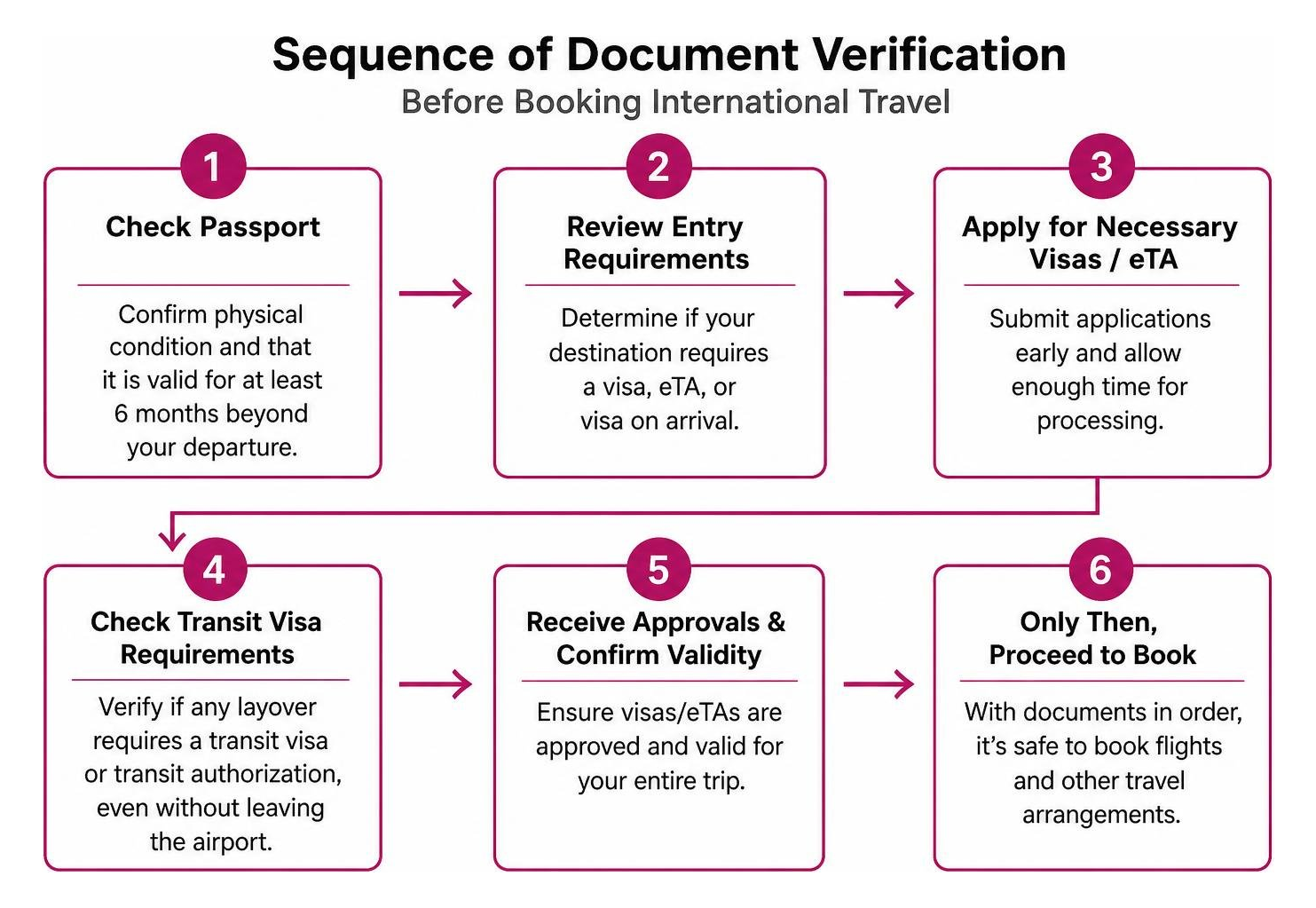
Beyond your passport book, you must identify whether your destination requires a traditional consular visa, an electronic travel authorization (eTA), or a visa on arrival. A professional travel advisor can help you check entry requirements and review sample itineraries across hundreds of destinations. Do not overlook transit visas; certain international layovers require specific transit authorizations even if you never intend to leave the airport terminal.
Flights vs. Accommodations: Which Reservation Comes First?
As a general rule, long-haul international flights should be purchased before locking in your accommodations. Airline ticket pricing is far more volatile than hotel pricing, fluctuating based on seat inventory, fuel tariffs, and route demand. Data shows that the optimal airfare purchase window for international travel spans between 70 and 207 days prior to departure, depending on your final destination.
Locking in airfare establishes fixed arrival and departure dates. Once those dates are anchored, you can design your broader itinerary. If you are seeking curated leisure travel experiences, reserving your first-night lodging immediately after your flight is essential.
Even if you prefer to keep the remainder of your trip open-ended, having a confirmed, vetted property for your opening night ensures you have an address for customs declaration cards and a secure place to rest after a long flight. Whenever possible, book hotel rooms with flexible cancellation policies so you can adjust your route as your plans evolve.
Essential Pre-Booking Steps and Budget Preparation
Thorough international travel planning requires balancing aspiration with logistical reality. Many travelers underestimate the cumulative cost of incidental overseas expenses, from foreign transaction fees and hotel city taxes to airport transfers and regional transit cards.
A well-structured budget provides clarity and prevents mid-trip stress. As a best practice, overestimate your overall estimated budget by 10% to 15% to create a financial cushion for unexpected events, medical visits, or impromptu excursions.
Timing and Seasonality for Strategic International Travel Planning
Understanding destination seasonality is key to managing costs and crowds. Traveling during the shoulder season—the transition months between high and low seasons—often delivers the best balance of pleasant weather, manageable crowds, and reduced lodging rates.
During peak summer or holiday periods, hotel rates can easily double, and popular landmarks reach full booking capacity months in advance. Factoring in daily sunlight hours is also critical; visiting higher-latitude destinations in late autumn or winter means fewer daylight hours for outdoor sightseeing.
For travelers who have schedule flexibility, departing on Tuesdays or Wednesdays often yields significant airfare savings compared to peak weekend departures. For corporate clients requiring seamless scheduling across multiple time zones, our team handles logistics through specialized business travel management, aligning flights and hotel arrangements to minimize transit friction.
Building a Realistic Trip Budget and Managing Currency
A practical travel budget divides expenses into fixed upfront costs and estimated daily outlays. Fixed costs include international flights, primary lodging, entry visas, and comprehensive insurance policies. Variable costs encompass dining, local public transit, museum entries, and gratuities.
To benchmark your projections: a comfortable one-week trip to Japan can cost a little under $1,700 USD per person excluding ultra-luxury add-ons, with roundtrip flights from gateway hubs like Los Angeles sometimes dipping as low as $600 USD during promotional windows.
When establishing your spending parameters, consult resources such as expert travel blog insights for real-world cost breakdowns and destination inspiration. Additionally, track real-time exchange rates. Carrying a primary credit card with no foreign transaction fees alongside a modest amount of local currency ensures you are covered at both card-friendly venues and cash-only markets.
Protecting Your Trip: Health, Safety, and Travel Documents

Personal safety and health preparations should never be treated as afterthoughts. International journeys expose travelers to unfamiliar climates, foreign legal systems, and varied healthcare standards. Protecting yourself requires proactive administrative work before you leave home.
Smart Health Preparations, Vaccinations, and Insurance
Review the destination-specific health advisories issued by national health agencies such as the CDC at least 4 to 6 weeks before departure. Certain countries mandate specific immunizations—such as Yellow Fever or Meningococcal vaccines—for entry, while others recommend preventative treatments like malaria prophylaxis.
Domestic health insurance policies rarely provide adequate coverage outside your home country, and foreign medical facilities often require immediate payment upfront. Purchasing a dedicated travel medical insurance policy is a non-negotiable safeguard.
Basic plans, such as Atlas Travel insurance, can start as low as $0.50 per day for travel outside the United States, providing vital coverage for emergency clinical care, hospital stays, and emergency medical evacuation. Ensure your policy explicitly covers any adventure sports or specialized activities planned on your itinerary.
Safeguarding Critical Documents and Enrolling in Traveler Programs
To protect against lost or stolen travel documents, create encrypted digital copies of your passport data page, visas, international driving permits, and vaccination records. Store these copies in a secure cloud storage folder accessible from your mobile devices, and carry a physical photocopy stored separately from your primary wallet.
U.S. citizens should enroll in the Smart Traveler Enrollment Program (STEP). This free service registers your international trip with the nearest U.S. Embassy or Consulate, allowing local embassy officials to send you real-time safety, security, and weather alerts while facilitating emergency contact if a crisis occurs.
To verify that your documentation, health requirements, and emergency contacts are aligned, consult the Trip Readiness Checklist: Check Your Travel Passport Before You Fly before heading to the terminal.
On-the-Ground Logistics: Connectivity, Packing, and Local Customs
Managing on-the-ground logistics smoothly ensures that your arrival in a new country is calm rather than chaotic. The final days before your flight should focus on setting up communications, understanding destination etiquette, and packing strategically.
Mobile Data, eSIMs, and Financial Preparation for International Travel Planning
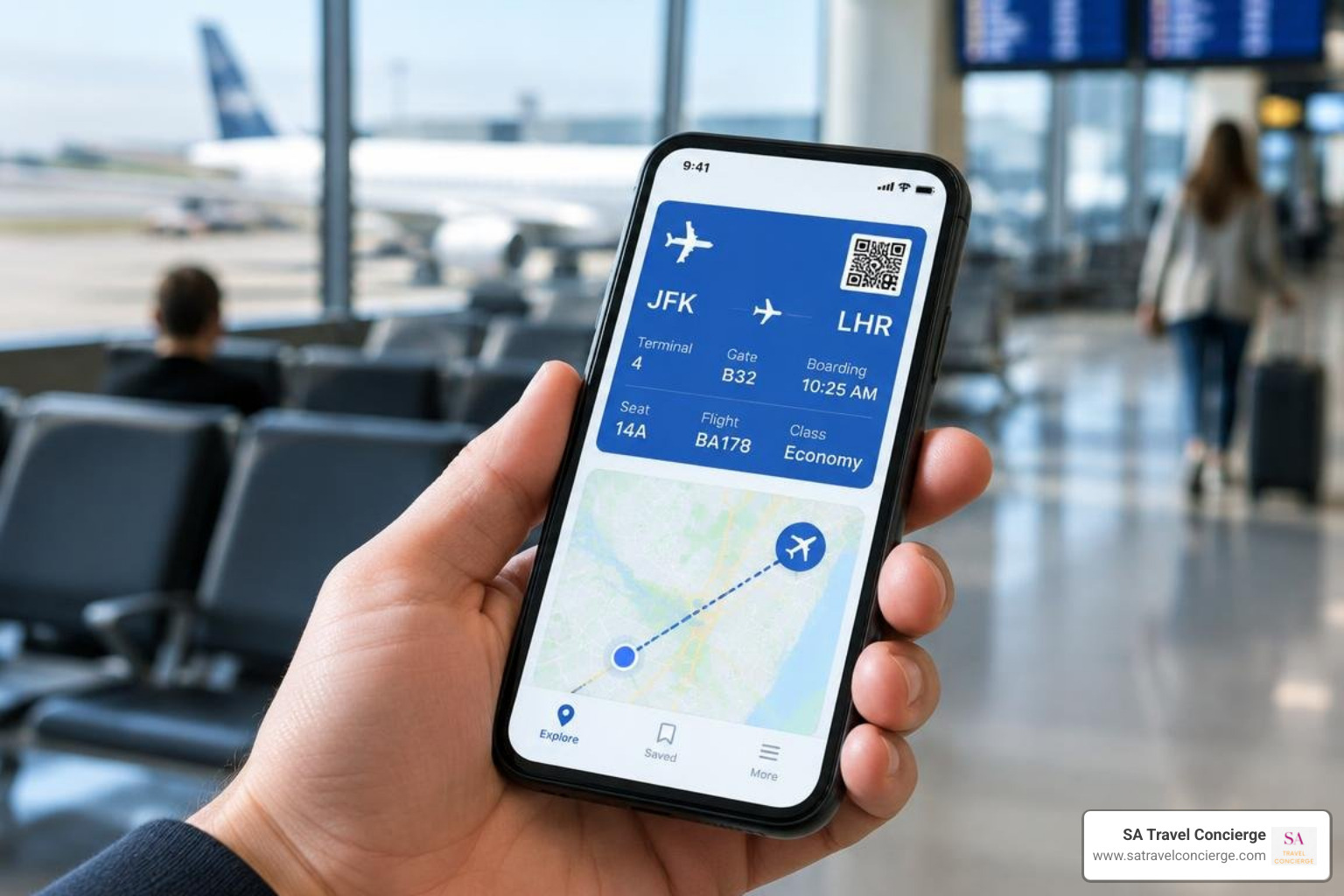
Navigating foreign transit systems, translating street signs, and accessing digital booking vouchers require dependable mobile connectivity. Depending on your domestic carrier, you may choose an international day pass (often $10 per day) or opt for a digital eSIM bundle. Your travel concierge can help organize digital itineraries and recommend connectivity options to keep you connected worldwide.
Prior to departure, inform your financial institutions of your travel itinerary. While modern fraud-detection algorithms increasingly recognize international flight activity, a brief security notification prevents your credit or debit cards from being frozen when attempting an overseas transaction. Always set up two-factor authentication methods that rely on authenticator apps rather than SMS messages, ensuring seamless banking access even if your physical SIM card is swapped.
Cultural Etiquette, Local Laws, and Smart Packing Strategies
Every destination carries its own set of cultural norms, legal statutes, and social expectations. Researching basic etiquette—such as tipping conventions, photography rules at religious monuments, and appropriate public attire—prevents unintentional disrespect. For instance, while tipping is standard practice across North America, it is often considered inappropriate in Japan and heavily regulated throughout European dining establishments.
Equally important is researching the legality of your personal medications. Common over-the-counter allergy medications, painkillers, or prescription stimulants that are widely accepted in the United States may be strictly controlled or banned substances abroad. Always keep prescription medicines in their original, clearly labeled pharmacy bottles alongside a signed doctor's letter explaining the medical necessity.
When packing, assemble a compact, multi-functional wardrobe suitable for layering. Pack an international voltage converter and universal adapter plug to protect your personal electronics, and always place essentials—including prescription medications, high-value electronics, a change of clothing, and physical document backups—inside your carry-on bag rather than checked luggage.
Frequently Asked Questions About International Travel
How far in advance should I start planning an international trip?
For complex overseas journeys, we recommend starting your research and preparations 4 to 6 months prior to your intended departure date. This window gives you sufficient time to renew passports, secure necessary entry visas, monitor long-haul airfare pricing, and reserve sought-after accommodations during peak travel seasons. If your destination requires specialized immunizations, starting early ensures your medical appointments are completed well ahead of departure.
Is it cheaper to book flights or hotels first?
It is almost always cheaper and more practical to lock in your flights first. Airfare prices change frequently based on dynamic booking algorithms, while hotel rates tend to remain relatively stable over longer periods. Securing your flights establishes exact arrival dates and prevents costly modification fees across your accommodations. Once your flight dates are set, you can book hotels that offer flexible or free cancellation terms.
Do I need a travel agent for international vacations?
While independent travelers can plan basic vacations using consumer booking apps, complex multi-city international itineraries often benefit from professional planning. According to industry estimates, booking a full itinerary with an agent typically incurs nominal planning fees between $100 and $200, but working with the right travel specialist can save travelers up to $500 on international airfare alone through consolidated fares and industry partnerships. A dedicated travel concierge also provides real-time support, managing schedule disruptions, gate changes, and emergency re-bookings on your behalf.
Conclusion
A successful international vacation relies on thoughtful preparation, strategic booking sequences, and a clear understanding of on-the-ground logistics. By verifying your passport validity and entry visas first, locking in airfare during optimal booking windows, securing comprehensive travel medical insurance, and preparing your connectivity and finances, you protect your investment and ensure an enjoyable travel experience.
If you prefer to bypass the dozens of hours spent researching options and managing booking details, our team is here to help. At SA Travel Concierge, we deliver high-touch, tailored itineraries that handle every logistical element from private airport transfers to exclusive accommodations. Explore our professional travel concierge services to begin curating your next overseas journey. For personalized inquiries or bespoke itinerary requests, visit our contact page to connect directly with one of our travel advisors.